Business Waste Removal Mayfair — Recycling and Sustainability
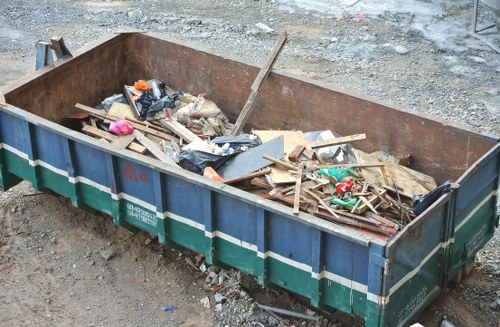 Business Waste Removal Mayfair is committed to leading the way in the local eco-friendly waste disposal area and promoting a resilient sustainable rubbish area for businesses in Mayfair and surrounding boroughs. Our sustainability page explains how our practical recycling targets, partnerships, local transfer station links and low-carbon fleet deliver measurable environmental benefit. We combine London-ready operational know-how with a focus on reuse and circular-economy thinking so that offices, shops and hospitality sites in Mayfair can reduce their footprint.
We set a clear recycling percentage target across our operations: achieve 70% recycling and reuse of collected materials by 2030 for waste originating in Mayfair. That target is applied to mixed dry recycling, organics diverted for anaerobic digestion or composting, and items routed to specialist reuse channels rather than to residual disposal. This target reflects both borough ambitions and the practical opportunities in a dense commercial area where high-value streams such as cardboard, glass, food waste and furniture can be captured effectively.
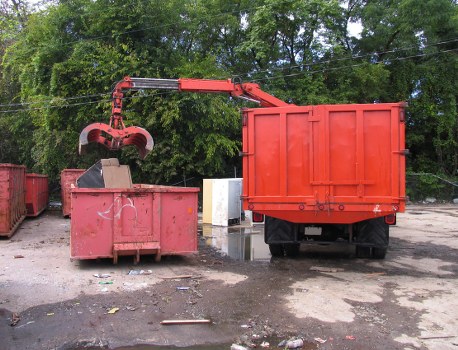
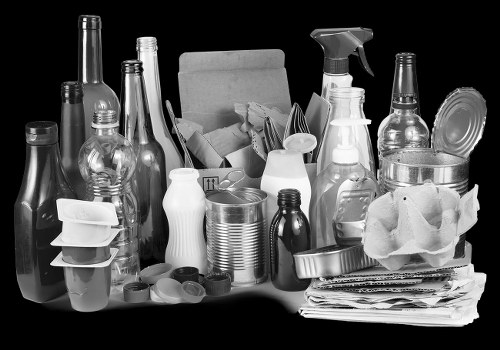 In the eco-friendly waste disposal area around Mayfair we work closely with local transfer stations and municipal facilities to ensure materials follow the best onward route. Collections are consolidated and taken to licensed transfer stations operated by Westminster City Council and neighbouring authorities, and to regional LondonWaste transfer sites when appropriate. We design collection schedules to align with boroughs' approaches to waste separation — for example, separate containers for food waste, dry mixed recycling and glass where local policy requires it — so that business customers meet local statutory requirements while maximising diversion.
Partnerships, Redistribution and Reuse
Our sustainable rubbish area strategy depends on reuse as much as recycling. We maintain active partnerships with local charities and redistribution networks to give business waste a second life. These partnerships include food redistribution agencies, furniture reuse charities and clothing and small-appliance refurbishers. By routing recoverable goods to community-focused organisations we reduce landfill and support local social value objectives.
 We work with a variety of non-profit and social-enterprise partners, including food redistribution groups, reuse charities and employment-focused organisations that refurbish and resell office equipment. Typical recipient categories include:
- Food redistribution charities that take surplus edible goods
- Furniture and fittings charities that refurbish and resettle desks, chairs and storage
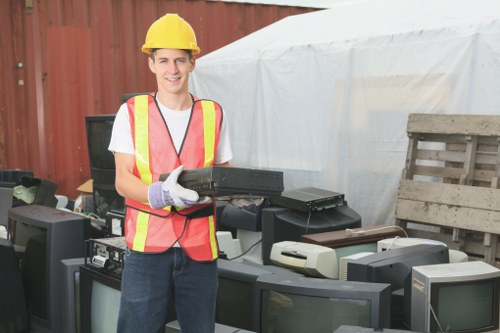
- Electronics refurbishers and IT asset disposition partners for secure, secure-data-wiped devices
These relationships are formalised through transfer agreements and compliance checks so that donated materials trace a clear chain of custody. We also support seasonal campaigns and targeted reuse projects for hospitality and retail sectors, ensuring that reuse counts toward our recycling percentage target rather than being counted as residual waste.
Low-Carbon Fleet and Operational Efficiency
 A critical part of our sustainable rubbish area plan is the low-emission logistics that deliver it. Our fleet includes electric light vans and low-emission vehicles designed for urban routes in Mayfair and central London. We prioritise electric and hybrid vehicles where operationally feasible, and apply route optimisation software to reduce mileage and idle time — lowering carbon intensity per tonne of waste collected.
 Vehicle technologies are complemented by driver training in eco-driving techniques and by scheduling that avoids congestion outside peak hours, which reduces stop-start emissions. We monitor fleet emissions and publish aggregated greenhouse gas performance internally, creating improvement targets that run alongside the 70% recycling goal. Where heavier collections are required, we make use of bio-CNG and modern Euro VI compliant vehicles to keep emissions as low as possible.
On-site segregation is a further operational focus. We work with businesses to provide container solutions tailored to their premises and volume: segregated bins for paper and card, glass banks, dry mixed recycling boxes and food-waste bins for kitchens and staff areas. This supports borough collection practices — some councils require separate food waste collection while others accept co-mingled organics — and helps to increase capture rates for recyclable materials.
Measurement, reporting and continuous improvement are central to our approach. We track weight-based diversion metrics for each account and produce regular sustainability reports showing the proportion of material recycled, reused or sent for energy recovery. These metrics allow us to benchmark progress against our recycling percentage target and to identify further opportunities for waste reduction in the Mayfair commercial landscape.
Training and client engagement are included in our service model: we run short inductions for facilities teams, provide clear labelling and signage and offer seasonal audits to identify new recycling streams such as textiles or WEEE (Waste Electrical and Electronic Equipment). By aligning with borough-level policies and London-wide initiatives, we ensure that the actions taken in the Mayfair area are consistent with broader municipal targets and the Waste Duty of Care.
Business Waste Removal Mayfair remains focused on delivering a resilient, transparent and verifiable route to zero-waste ambitions for local businesses. Our combined strategy of ambitious recycling targets, collaboration with local transfer stations, charity partnerships and a low-carbon fleet ensures that commercial waste is managed within a robust circular framework that benefits the environment and the community alike.
