Business Waste Removal in Mayfair

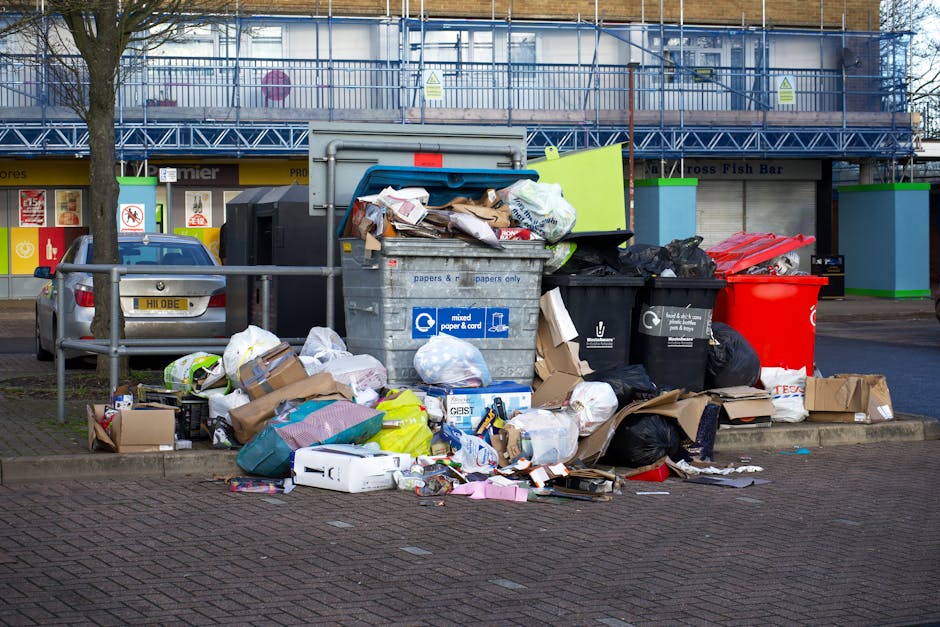
Business waste removal in Mayfair should be practical, discreet and properly organised, especially when you need regular collections or a one-off clear-out handled without disrupting the working day. We manage commercial waste streams with a focus on separation, loading and responsible onward handling, so offices, shops, hospitality venues and managed premises can keep on top of waste without letting it build up. The service is designed to be straightforward from first enquiry to final collection, with attention to access, timing and the type of material involved.
Our work covers a broad range of non-hazardous commercial waste, together with related disposal needs such as furniture, appliances, packaging and confidential paper shredding where suitable. We plan collections around the material, rather than treating everything as the same load, because a careful approach helps keep the process efficient and better aligned with the right disposal route. If you are comparing options, it is often useful to review both the service scope and the way pricing is set out before you decide on a collection.
For a quotation, start with the item types, approximate volume and any access points that may affect loading. A short description of what needs collecting is usually enough to begin. You can also take a moment to review pricing and quotes if you want to understand the kind of information that helps shape an accurate estimate. When you are ready, contact us to request a quotation for your Mayfair premises.
Commercial collections for day-to-day waste
Commercial collections are best when they are consistent, predictable and matched to the way the premises actually operate. Offices, retail units and hospitality venues often produce mixed waste that includes sacks, packaging, archive material and general refuse, and those streams need handling in a way that keeps the space usable. We can support routine business waste removal with a focus on the practical side of collection, including lifting, sorting where needed and the responsible removal of items that should not simply be left by a rear entrance or service corridor.
Different workplaces need different approaches, so the collection method should reflect both the quantity of waste and the layout of the building. Some premises benefit from a scheduled clear-out of accumulated items, while others need an occasional uplift after refurbishment, stock changes or tenant handover. If your waste includes documents that should not be mixed with general rubbish, the service can also be planned around confidential shredding so sensitive material is handled separately and sensibly.
To make an enquiry easier, it helps to note what is going out, where it is located and how it can be reached. A lift, basement, shared corridor or narrow stairwell can change how long a collection takes, and accurate details reduce the need for back-and-forth. A concise list is usually more useful than a vague description, particularly when several item types are involved. Keep the request simple and practical, and ask for a quotation once the basics are clear.
Office waste and interior clear-outs
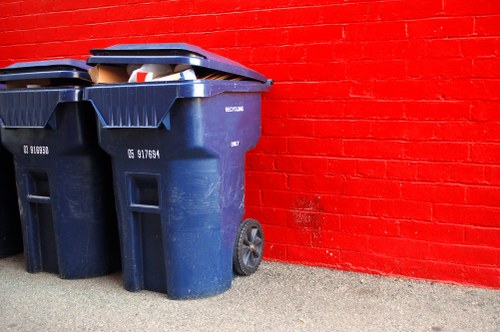
Office waste removal often includes more than black sacks and desk-side bins. Workspaces can generate broken chairs, filing units, redundant IT packaging, screens, small appliances and occasional bulk items that no longer fit the layout. A proper office clear-out keeps circulation space open and helps avoid clutter building up in meeting rooms, storage cupboards or reception areas. The aim is to remove what is no longer needed in a way that is orderly, careful and suited to a working environment.
Where furniture is being replaced, it is useful to separate what can be lifted as part of a larger collection from what needs its own disposal route. Office clearance can be a suitable option when the job extends beyond loose waste and into desks, chairs, pedestals, shelving or other equipment that has accumulated over time. If there are many item categories in the same project, grouping them sensibly before collection can make the process cleaner and easier to manage.
In many offices, access and timing matter as much as the waste itself. Shared entrances, concierge arrangements and loading restrictions can all influence how a collection is carried out. When planning the job, it is sensible to mention any items that need disassembly, any areas that cannot be blocked and whether the waste is spread across more than one floor. This kind of detail helps keep the service focused on the work rather than on avoidable delays.
Furniture, fixtures and fittings
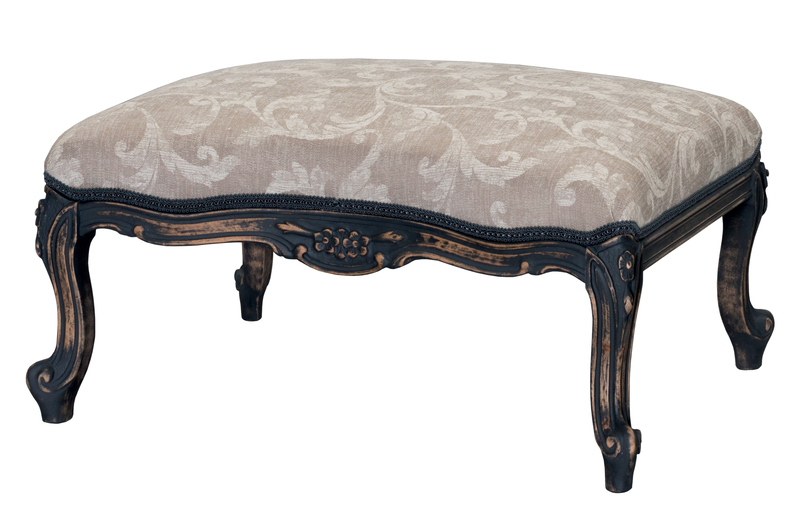
Business waste removal frequently includes old office furniture, reception seating, shelving, cabinets and other fixtures that are no longer required. These items can be awkward to move through tight spaces, particularly in buildings with stairs, protected finishes or shared circulation routes. A careful furniture collection reduces the chance of damage and keeps the process suitable for premises that still need to operate while the work is taking place. It is especially relevant where a suite is being refreshed or a lease is ending.
Some items are better treated as disposal work rather than ordinary rubbish, which is why a service such as furniture disposal can be useful when you are dealing with bulky pieces or mixed furniture types. Depending on the project, there may also be a need to separate reusable items from those that should be dismantled and removed. We can handle that kind of mixed load so the collection is not left to your staff to sort into multiple trips.
When preparing furniture for collection, it is usually enough to identify the main pieces and note any awkward dimensions. There is no need to overcomplicate the request, but a sensible description of what needs removing helps the quotation reflect the actual job. If the furniture is still in use until the day of uplift, say so plainly. The more clear the handover, the smoother the removal tends to be.
Clearance for shops, venues and managed premises

Many commercial premises need occasional clearances rather than day-to-day waste collection alone. A shop may have excess packaging after a delivery changeover, a venue may need loose fixtures removed after a refit, and a managed building may accumulate items in a storage room or service area over time. We provide a flexible approach to those clearances, with attention to lifting, sorting and removing material from spaces that may be busy or restricted.
Where the load is made up of several item types, it can help to think in terms of the whole project rather than each object in isolation. For example, a larger clean-out may combine waste sacks, display units, office furniture and general clutter from back-of-house areas. If that sounds closer to your job, business waste removal can cover the broader collection while more specific disposal pages help if you want to focus on one category at a time. That combination gives you a clearer picture of what is being removed.
Useful details for a quotation are usually simple: item type, estimated quantity, location on site and any time constraints. If there are loading restrictions, security procedures or building rules, mention them early so the collection can be planned properly. The goal is not to make the enquiry lengthy; it is to make it accurate enough that the service matches the premises and the waste stream from the start.
- Note the main item categories.
- Say whether access is from the street, courtyard or service entrance.
- Mention any heavy, fragile or awkward pieces.
- Flag anything that should be handled separately.
Recycling-led disposal choices
Commercial waste is rarely just one material, so a sensible collection service should consider what can be separated and where different items should go next. Cardboard, packaging, office paper, broken furniture, metal components and small appliances may each be dealt with differently depending on condition and composition. A recycling-led approach does not mean every item is recyclable; it means the collection is arranged with enough care that suitable material is directed to the right route rather than being treated as an undifferentiated load.
If your waste stream includes mixed items with a clear recycling or reuse element, it may be helpful to look at recycling and sustainability alongside the practical removal plan. That can be particularly useful when a business is reducing stored stock, replacing furniture or clearing a back room that contains more than one type of material. A good collection plan should fit the load you actually have, not the load you wish it had been.
One of the most useful habits is to separate anything obvious in advance, such as boxes, loose paper and dismantled fittings, while leaving the awkward pieces for assessment on site. Clear separation saves time later and can make the quotation easier to understand. It also helps if you are deciding whether a particular item belongs in the main collection or whether it needs to be discussed as a separate disposal stream.
About Mayfair
Mayfair is an affluent district in the West End of London, forming part of the City of Westminster and bordered by Hyde Park, Green Park, Piccadilly and Oxford Street. Its street plan reflects the 18th-century development of the Grosvenor estate, where wide terraces, garden squares and elegant town houses established a recognisable Georgian character that still shapes the area today. Berkeley Square, Grosvenor Square and Hanover Square are among the best-known open spaces, each associated with a different layer of the district’s social and architectural history. The area also includes many listed buildings, embassies, galleries, private clubs and high-end commercial premises, which gives it a strong mix of residential, diplomatic and business activity. Bond Street and the surrounding streets are closely linked with luxury retail, while nearby Piccadilly provides a direct route through the West End. Green Park forms a major open green edge to the south, and Hyde Park offers a much larger landscape close by. Although Mayfair is compact, its streets contain a dense concentration of architecture from the Georgian era onward, alongside later alterations and redevelopment that reflect changing patterns of use. The district’s identity is often associated with prestige and careful urban design, but it also remains a lived-in part of central London with active offices, hospitality venues and private residences.
Handling different waste types safely

Some commercial loads require more care than ordinary office rubbish, particularly when they include appliances, heavy fittings or items that may have specific disposal rules. Fridge units, display coolers and similar equipment often need to be identified before collection so they can be handled correctly. This is not about creating complexity for its own sake; it is about making sure that what leaves the premises is treated in the right way and does not get mixed with unrelated general waste.
Where the job includes white goods or other electrical items, a page such as fridge and appliance removal can be relevant because it helps separate that work from furniture, paper or ordinary refuse. For some premises, this is only one part of a broader clear-out, while for others it is the main task. The right approach depends on the actual load, so it is better to describe each significant item group clearly than to assume every piece can be handled identically.
If there are items that could raise handling questions, say so at the quotation stage rather than leaving them until collection day. That includes anything unusually heavy, anything that needs to be disconnected or anything that is positioned in a tight internal space. A straightforward description is enough: what it is, where it sits and whether it can be moved without special preparation. Accuracy matters more than embellishment when the aim is a reliable estimate.
Planning the collection and understanding cost factors
Commercial removal work is usually shaped by the practical factors that affect labour and disposal rather than by a simple per-item rule. Quantity, item type, access and the amount of sorting needed can all influence the quotation. A load of loose office sacks is very different from a mixed collection involving cabinets, shelving and packaged waste, so it makes sense to request pricing based on the actual job rather than assuming a standard answer will fit every premises.
When you are ready to compare the main details, you can use pricing and quotes as a useful reference point and then share the information needed for a specific estimate. The most helpful part of the request is usually the description of what is being removed, followed by any constraints on access or timing. If the collection is part of a larger refurbishment or tenancy change, it is also worth saying whether the work needs to be staged or completed in one visit.
The other detail worth checking is whether the premises has any internal rules that affect removal, such as loading bay times, concierge sign-in or restricted lift access. These are simple matters, but they can change the shape of the collection. If you can, keep the request to the essential facts and let the service team translate that into a practical quotation. That tends to be easier for everyone than trying to describe the job in overly broad terms.
Making a clear enquiry
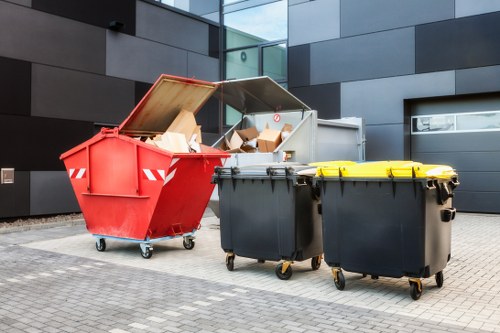
To request a quotation for business waste removal in Mayfair, it helps to think about the job in terms of what is leaving the premises, how much there is and where it is located. A busy office, a shop stockroom or a shared commercial building can each produce different waste streams, and the clearer the description, the easier it is to suggest the right kind of collection. If you are not sure whether an item belongs in the main waste load or a separate disposal category, note it anyway and ask for guidance.
Most enquiries are easier when the essentials are kept in one place: item type, approximate volume, access details and any special handling concerns. If you need to mention paper records, mixed furniture, appliances or general waste in the same job, that is fine, provided the note stays readable. You can also use the relevant service pages to narrow down what needs collecting, then contact us when you are ready to ask for a quotation and agree the next step.
Whether the work is a one-off clear-out or part of a regular collection pattern, the aim is the same: remove the waste cleanly, keep disruption low and make the process easy to organise. If you are comparing options today, send the key details and request a quotation. We will use your description to shape the collection properly, so you can make a clear decision for your premises.