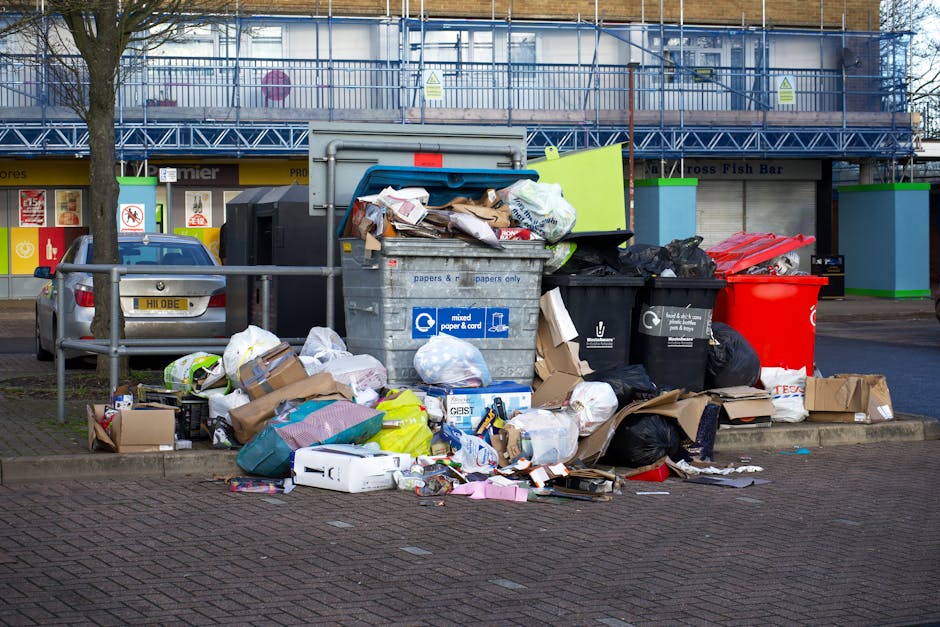
Westminster Council rules for rubbish disposal in Mayfair: a practical local guide
If you live, work, or manage property in Mayfair, rubbish disposal is not just a back-of-house chore. It is part of keeping a building compliant, tidy, and neighbour-friendly in one of London's most visible postcodes. Westminster Council rules for rubbish disposal in Mayfair can feel straightforward at first, but once you add shared bins, contractors, bulky items, recycling, and tight streets, the picture gets a bit more complicated. To be fair, that is exactly where people trip up.
This guide explains the essentials in plain English: what the council expects, how rubbish disposal usually works in practice, which mistakes lead to problems, and when a professional clearance service may be the smoother option. You will also find a practical checklist, comparison table, and FAQs for the questions people actually ask when they are standing beside a full bin at 8:30 in the morning wondering what on earth goes where.
Table of Contents
- Why Westminster Council rules for rubbish disposal in Mayfair Matters
- How Westminster Council rules for rubbish disposal in Mayfair Works
- Key Benefits and Practical Advantages
- Who This Is For and When It Makes Sense
- Step-by-Step Guidance
- Expert Tips for Better Results
- Common Mistakes to Avoid
- Tools, Resources and Recommendations
- Law, Compliance, Standards, or Best Practice
- Options, Methods, or Comparison Table
- Case Study or Real-World Example
- Practical Checklist
- Conclusion
- Frequently Asked Questions
Why Westminster Council rules for rubbish disposal in Mayfair Matters
Mayfair is not the kind of place where rubbish can be left to drift into the background. Streets are busy, space is limited, and the standard for keeping entrances, pavements, and communal areas clear is high. If waste is left out at the wrong time, in the wrong container, or in the wrong location, the result can be more than an eyesore. It can create complaints, obstruction issues, pest concerns, and avoidable costs.
The council rules matter because they shape how waste moves from your premises to lawful disposal or recycling. That includes everything from household black bags to cardboard, food waste, renovation debris, old office furniture, and awkward bits that do not fit neatly into a normal collection. In a place like Mayfair, where many buildings are flats, offices, serviced apartments, or mixed-use premises, rubbish management often depends on shared responsibility. That sounds simple. In real life, not always.
There is also a reputational angle. If you manage a residential block, let a property, or run a business, messy waste handling can create immediate friction with neighbours, concierge staff, contractors, and visitors. On a busy street, a single bad habit is noticed quickly. Sometimes even before the kettle has boiled.
Practical takeaway: the cleaner and more consistent your waste routine, the easier it is to stay aligned with local expectations and avoid last-minute problems.
How Westminster Council rules for rubbish disposal in Mayfair Works
At a practical level, the system usually comes down to four things: what type of waste you have, where it is stored, when it is presented for collection, and who is responsible for moving it. Westminster's approach, like most London boroughs, separates everyday household rubbish from recycling and from heavier or specialist waste streams. The details can vary by property type, but the basic logic is consistent.
For day-to-day disposal, most residents and businesses should keep waste in approved containers and present it in a way that does not block pavements or create hazards. Recyclables should be separated where the building's collection system allows it. Bulky waste should not be pushed out with the regular black bags and hoped for the best. That almost never ends well.
In many Mayfair properties, the real challenge is not understanding the principle. It is the building layout. Narrow bin stores, basement access, shared courtyards, controlled entry systems, and concierge arrangements all influence how waste is handled. If a property produces larger volumes, such as in hospitality, offices, or renovation work, it may need a more structured collection plan. That is where a service like business waste removal or general waste removal can help keep everything moving without chaos.
Special items need special handling. Fridges, sofas, mattresses, electricals, and hazardous materials all sit in different risk categories. Some are recyclable, some require separate treatment, and some should be kept away from standard waste altogether. If you are dealing with awkward appliances, it is worth looking at fridge and appliance removal or hazardous waste disposal where appropriate.
In short: the rules are not only about what goes into the bag. They are about timing, separation, access, and lawful handling.
Key Benefits and Practical Advantages
Following the correct disposal process is not just about avoiding trouble. It brings a few very real benefits, especially in a place like Mayfair where property standards and space constraints are both unforgiving.
- Cleaner shared areas: fewer overflowing bins, less odour, and less mess around entrances and loading points.
- Better neighbour relations: nobody enjoys a pavement cluttered with mismatched bags or abandoned furniture.
- Lower compliance risk: fewer complaints, less chance of enforcement issues, and fewer nasty surprises for landlords or managers.
- More efficient collections: sorting waste properly makes collections smoother and often less stressful for everyone involved.
- Improved recycling performance: cleaner separation supports better recycling outcomes and less contamination.
- Safer handling: good waste discipline reduces the chance of cuts, trips, lifting injuries, and broken items being left where people walk.
There is also a quiet operational benefit. When rubbish is handled properly, staff spend less time firefighting. A porter, office manager, or letting agent can get on with the actual work instead of chasing bins, bins bags, and more bins. A small thing, maybe, but in a busy week it matters a lot.
If your building produces mixed waste from refurbishments or clear-outs, it is often useful to pair routine collections with a dedicated clearance plan. For example, builders waste clearance can be a sensible option after works, while office clearance fits better for business moves or refits.
Who This Is For and When It Makes Sense
This guide is useful for quite a few people, not just homeowners. In Mayfair, the waste picture changes depending on the setting, and that is where many people get caught out.
- Residents in flats or mansion blocks: especially if bin stores are shared or access is limited.
- Landlords and letting agents: when tenants leave behind rubbish, furniture, or mixed clutter.
- Property managers and concierges: for keeping communal areas clean and collection points organised.
- Office managers: when staff waste, confidential waste, or equipment needs handling properly.
- Retail and hospitality operators: where packaging, food waste, stock changes, and customer-facing presentation all matter.
- Contractors and renovators: when the site produces rubble, packaging, timber, or mixed debris.
It makes sense to review the council rules any time you are doing one of the following:
- moving in or out of a Mayfair property
- clearing a flat, loft, garage, or office
- replacing furniture or appliances
- starting or finishing building works
- dealing with a tenant abandonment or end-of-tenancy clear-out
- improving waste arrangements after repeated collection issues
Truth be told, many waste problems only become obvious when something changes. A renovation starts. A tenant leaves. A delivery of new furniture arrives and the old sofa has nowhere sensible to go. Then the system is tested. That is usually when people realise the current arrangement was never quite enough.
Step-by-Step Guidance
Here is a practical way to handle rubbish disposal in Mayfair without making life harder than it needs to be.
- Identify the waste type. Separate general waste, recycling, food waste, bulky items, electricals, and anything potentially hazardous.
- Check the building's collection setup. Find out which bins or containers are available, where they are stored, and who is responsible for presenting them.
- Confirm timing. Waste should be put out only when collection is due, not the day before. In busy streets, timing matters a lot.
- Use the right container. Do not overfill bags or leave loose items beside bins. If it does not fit, it likely needs another route.
- Keep walkways clear. Waste should never obstruct entrances, fire exits, shared corridors, or the pavement.
- Handle bulky or specialist items separately. Sofas, mattresses, fridges, and renovation waste need different planning.
- Book a clearance service where needed. For larger jobs, use a service that can remove the waste in one visit and handle sorting responsibly.
If you are dealing with household contents, a house clearance or home clearance may be more efficient than trying to piece everything together bag by bag. If the problem is a single room, a flat clearance can be the cleaner route.
For bigger domestic jobs, it helps to think ahead. Lay items out by category, keep a clear path to the exit, and decide in advance what is staying, what is being donated, and what is going for disposal. That little bit of planning saves a lot of back-and-forth carrying. And a lot of sighing, if we are honest.
Expert Tips for Better Results
Over time, the best waste systems tend to be the boring ones. Predictable. Consistent. Easy for everyone to follow. That is the secret sauce, if you can call bin management that.
- Label everything clearly. In shared buildings, labels reduce confusion and stop waste migrating into the wrong container.
- Schedule collections around building activity. Avoid putting out waste during peak footfall or delivery times if you can help it.
- Keep heavier items separate from lighter bagged waste. This helps prevent damage to bins and makes manual handling safer.
- Use the smallest practical volume for bulky items. Breaking down cardboard and flattening packaging makes a surprisingly big difference.
- Plan for special waste early. Electrical items, appliances, and confidential material often need separate arrangements.
- Keep an eye on contamination. One wrong item can spoil a recyclable load, which is frustrating and avoidable.
If your waste includes paperwork, the safest route is often a dedicated shredding process rather than tossing documents into general waste. Confidential shredding is especially helpful for offices, professional practices, and landlords handling sensitive files.
For mixed domestic clutter, I would also suggest checking practical disposal routes before collection day. For example, old seating may be better handled through mattress and sofa disposal, and tired household furniture may be better suited to furniture disposal rather than trying to squeeze it into an already crowded bin store.
A small tip that sounds obvious but often helps: take a photo of the waste area before and after a clearance. Not glamorous, I know. But when there are multiple people involved, photos make it much easier to confirm what has actually been done.
Common Mistakes to Avoid
Most rubbish problems in Mayfair come from a handful of very ordinary mistakes. The good news is that they are all avoidable.
- Leaving waste out too early: this can create obstruction, encourage mess, and attract complaints.
- Mixing recyclables with general waste: contamination makes recycling less effective and can lead to rejected loads.
- Dumping bulky items beside bins: unless collection has been arranged, that usually becomes fly-tipping in practice.
- Ignoring hazardous materials: chemicals, batteries, and certain appliances need extra care.
- Assuming one rule fits every property: shared blocks, offices, and rented homes often have different arrangements.
- Forgetting access restrictions: a service van, skip, or clearance team may need advance planning in tight streets.
There is also the classic mistake of underestimating volume. A few bags look manageable until they are all by the front door and suddenly the hallway is a small mountain range. Happens all the time.
If you are managing a building or business, do not leave compliance to one person's memory. Put the process in writing, keep it simple, and make sure new staff or tenants know how it works.
Tools, Resources and Recommendations
You do not need a complicated system to manage rubbish well in Mayfair, but a few practical tools can make life easier.
- Clear bin labels: useful for shared buildings and mixed-use premises.
- Simple waste logs: helpful for property managers tracking recurring issues.
- Moving dollies or sacks: handy when waste has to be moved safely through a building.
- Protective gloves and appropriate footwear: basic, but worth saying.
- Recycling and reuse boxes: good for items that do not need immediate disposal.
- Advance booking calendar: useful for planned clearances and contractor coordination.
For larger or recurring waste streams, it helps to compare how different services fit the job. If you are trying to clear a workplace, the structure of business waste removal is usually different from a domestic collection. If you are dealing with office contents after a move or reorganisation, office clearance may be the more sensible fit.
And for households, sometimes the simplest solution is also the safest one: clear the whole space in one organised visit rather than trying to piece things together over several collection days. Less noise, less clutter, fewer sore shoulders.
Law, Compliance, Standards, or Best Practice
Rubbish disposal in Westminster should be treated as a compliance issue, not just a housekeeping task. In the UK, waste must be handled responsibly, and anyone producing waste has a duty to make sure it is stored, separated, and transferred in a lawful way. That principle applies whether you are a resident, landlord, tenant, or business operator.
Best practice usually means the following:
- keeping waste contained until collection
- separating recyclable material where possible
- avoiding obstruction of streets, entrances, and fire routes
- using appropriate routes for bulky, electrical, or hazardous waste
- working with insured and properly organised providers for larger clearances
If your property generates construction waste, extra care is needed. Materials from refurbishments can include timber, plasterboard, rubble, packaging, and mixed debris, all of which need to be dealt with correctly. In those situations, builders waste clearance and the guidance on what can go in a skip are useful starting points, especially before anything is loaded or scheduled.
For operational confidence, it also helps to review provider standards. Pages such as health and safety policy, insurance and safety, and recycling and sustainability can give you a better feel for how a service approaches risk, handling, and disposal outcomes.
When in doubt, keep to the safest and most transparent option. That is usually the one that causes the fewest headaches later.
Options, Methods, or Comparison Table
There is no single best way to dispose of rubbish in Mayfair. The right method depends on volume, type of waste, access, and timing. Here is a simple comparison.
| Method | Best for | Strengths | Limitations |
|---|---|---|---|
| Standard bin collection | Routine household or small business waste | Simple, familiar, low effort | Not suitable for bulky, hazardous, or large volumes |
| Recycling separation | Cardboard, packaging, and suitable recyclables | Supports better sorting and lower contamination | Needs discipline and clear bin set-up |
| Bulky waste clearance | Sofas, mattresses, furniture, mixed household items | Removes awkward items in one go | Needs booking and good access planning |
| Business waste service | Offices, shops, hospitality, professional premises | Regular, structured, scalable | Requires clear waste streams and collection arrangements |
| Builders waste clearance | Refurbishment debris and mixed site waste | Handles heavier, messy, post-work materials | Must be planned carefully and kept separate from general waste |
In practice, many properties use a combination. A Mayfair flat might rely on regular recycling and domestic collections most weeks, then call in a clearance team after a move. An office might keep confidential material separate, use regular collections for daily waste, and schedule a one-off clearance after a refit.
Case Study or Real-World Example
A typical Mayfair scenario goes like this. A small professional office moves to a new floor in the same building. During the move, they discover a few old desks, some broken chairs, packaging from new equipment, and several bags of paperwork that should not simply be chucked out with general waste. The building has limited storage, a shared entrance, and strict timing for deliveries and collections.
At first, the team tries to sort it all internally. Then the bin store starts filling up, the chairs are awkward in the corridor, and somebody realises the shredder has about as much appetite as a sleepy cat. This is where a structured approach pays off.
The office splits the waste into streams, arranges confidential shredding for the paperwork, and books office clearance for the furniture and mixed items. The result is not just a tidier office. It is a smoother move, fewer complaints from the building, and no messy pile sitting around for days. Simple, but effective.
The useful lesson is not that every clear-out needs a big intervention. It is that once waste starts crossing categories, the simplest route is often the one that separates it properly from the start.
Practical Checklist
Use this checklist before you put any rubbish out in Mayfair.
- Have I identified the waste type correctly?
- Is anything hazardous, sharp, electrical, or potentially restricted?
- Do I know when and where collection should happen?
- Have I kept the pavement, entrance, and fire routes clear?
- Is recyclable material separated from general waste?
- Are bulky items being handled through the right route?
- Have I checked whether the building has its own waste rules?
- Do I need a one-off clearance rather than routine disposal?
- Have I planned for access, parking, and loading space?
- Is the waste likely to need specialist handling or extra care?
If you can tick most of those off, you are usually in good shape. If not, pause and reset the plan. That is better than rushing and making a bigger problem for yourself later.
Conclusion
Westminster Council rules for rubbish disposal in Mayfair are really about consistency, clarity, and respect for the space around you. The more organised your waste handling is, the easier it becomes to stay compliant, keep communal areas pleasant, and avoid those annoying little issues that turn into bigger ones. In a neighbourhood like Mayfair, that matters more than people sometimes realise.
The best approach is usually simple: separate waste properly, use the right collection method, plan ahead for bulky or specialist items, and do not leave awkward jobs until they become urgent. Whether you are managing a flat, a house, an office, or a refurbishment, a little structure goes a long way.
If you need help with larger or more complicated waste, it is worth choosing a service that understands the practical realities of London properties and can handle the job with care. Sometimes that is the difference between a stressful afternoon and a clean, calm finish.
Get a free quote today and see how much you can save.
And if nothing else, you will get your hallway back. Which, on a busy week, can feel like winning a small prize.
Frequently Asked Questions
What are the basic Westminster Council rules for rubbish disposal in Mayfair?
At a basic level, waste should be stored safely, separated where required, and put out for collection in a way that does not obstruct pavements or entrances. Bulky, hazardous, or specialist waste should be handled separately rather than left with routine bags.
Can I leave rubbish outside my property the night before collection?
Usually, that is not a good idea. In a busy area like Mayfair, leaving waste out too early can cause obstruction, mess, or complaints. It is better to present waste as close to collection time as possible and follow the building's arrangement.
What should I do with bulky items like sofas or mattresses?
Bulky items generally need a separate disposal route. A regular bin collection is not the right answer. Services such as mattress and sofa disposal or a broader furniture clearance are often more appropriate.
How do I dispose of office waste in Mayfair?
Office waste should usually be separated into general waste, recycling, and confidential material. For larger volumes or move-outs, a structured office clearance or business waste removal plan is often the easiest route.
What happens if I mix recycling with general rubbish?
Mixed waste can contaminate recyclable material and make disposal less efficient. In some cases, it may mean the load is rejected or treated as general waste. That is annoying and avoidable, which is the worst kind of annoying.
Do builders and refurbishment works need different waste handling?
Yes. Construction and refurbishment waste often includes heavier or messier materials that need separate planning. Builders waste clearance is designed for that kind of job, and it is better to keep it apart from everyday rubbish.
Can I use a skip in Mayfair?
Sometimes yes, but it depends on access, placement, and what materials you want to dispose of. The guidance on what can go in a skip is a useful starting point before making arrangements.
What is the best option for confidential paperwork?
Use a secure shredding process rather than ordinary rubbish disposal. Confidential shredding is the safer and more professional option for sensitive documents.
How do I deal with old appliances?
Fridges, freezers, and similar items often need separate handling because of size and component materials. Fridge and appliance removal is a practical route when the item is too awkward for routine disposal.
Is there a difference between home clearance and house clearance?
In practical terms, the services overlap a lot, but the scale or setup may differ. A home clearance may suit smaller domestic jobs, while house clearance is often used for fuller or more complete clear-outs.
What should I look for in a waste removal provider?
Look for clear pricing, proper handling of different waste streams, attention to safety, and sensible recycling practices. Pages like pricing and quotes, health and safety policy, and recycling and sustainability can help you judge whether the service suits your needs.
What if I am not sure what category my waste falls into?
When in doubt, separate it and get advice before disposal. Mixed unknown waste is where mistakes happen fastest. A careful check is better than guessing, especially if the item could be hazardous or restricted.